Tag: world bank

  • World Bank Ranks Tin Can, Apapa Among Top 20 Most Improved Ports Globally

    World Bank Ranks Tin Can, Apapa Among Top 20 Most Improved Ports Globally

    Nigeria’s maritime sector has received a major boost as the World Bank’s Container Port Performance Index (CPPI) 2025 ranked Tin Can Island Port and Apapa Port among the world’s 20 most improved container ports.

    The recognition highlights the progress recorded under the management of the Nigerian Ports Authority (NPA) led by its Managing Director, Dr. Abubakar Dantsoho, as efforts to improve operational efficiency and modernise port infrastructure continue to yield results.

    According to the CPPI 2025 report, jointly published by the World Bank and S&P Global Market Intelligence, Tin Can Island Port ranked 10th globally among ports with the highest performance improvements between 2020 and 2025, while Apapa Port placed 12th.

    The CPPI is a globally recognised benchmark that measures port efficiency based on the total time container vessels spend in port, enabling comparisons across ports and tracking performance improvements over time.

    The latest recognition comes amid Nigeria’s sustained trade surplus performance, with the National Bureau of Statistics reporting a trade surplus of N7.54 trillion in the first quarter of 2026. The NPA said its efforts to improve port operations have contributed significantly to facilitating trade and enhancing the country’s competitiveness.

    Reacting to the development, Dr. Dantsoho attributed the achievement to ongoing reforms and investments in port infrastructure and equipment.

    “With the investor-friendliness of President Bola Ahmed Tinubu providing the gravitas needed for increased investment to implement our port infrastructure and equipment modernization drive, coupled with the unflinching support from the Honourable Minister of Marine and Blue Economy, Adegboyega Oyetola, we have all it takes to advance the fortunes of trade and boost the national economy,” he said.

    The World Bank noted that the CPPI serves as a diagnostic tool for governments, port authorities and industry stakeholders to identify operational gaps and improve efficiency, with vessel turnaround time remaining a critical indicator of port performance and supply chain reliability.

    Industry observers say the improved ranking of Tin Can and Apapa ports reflects ongoing efforts to modernise Nigeria’s port system, streamline operations and strengthen the country’s position as a key maritime hub in West Africa.

  • World Bank Offers Free Online Course on Behavioral Science in Public Policy

    World Bank Offers Free Online Course on Behavioral Science in Public Policy

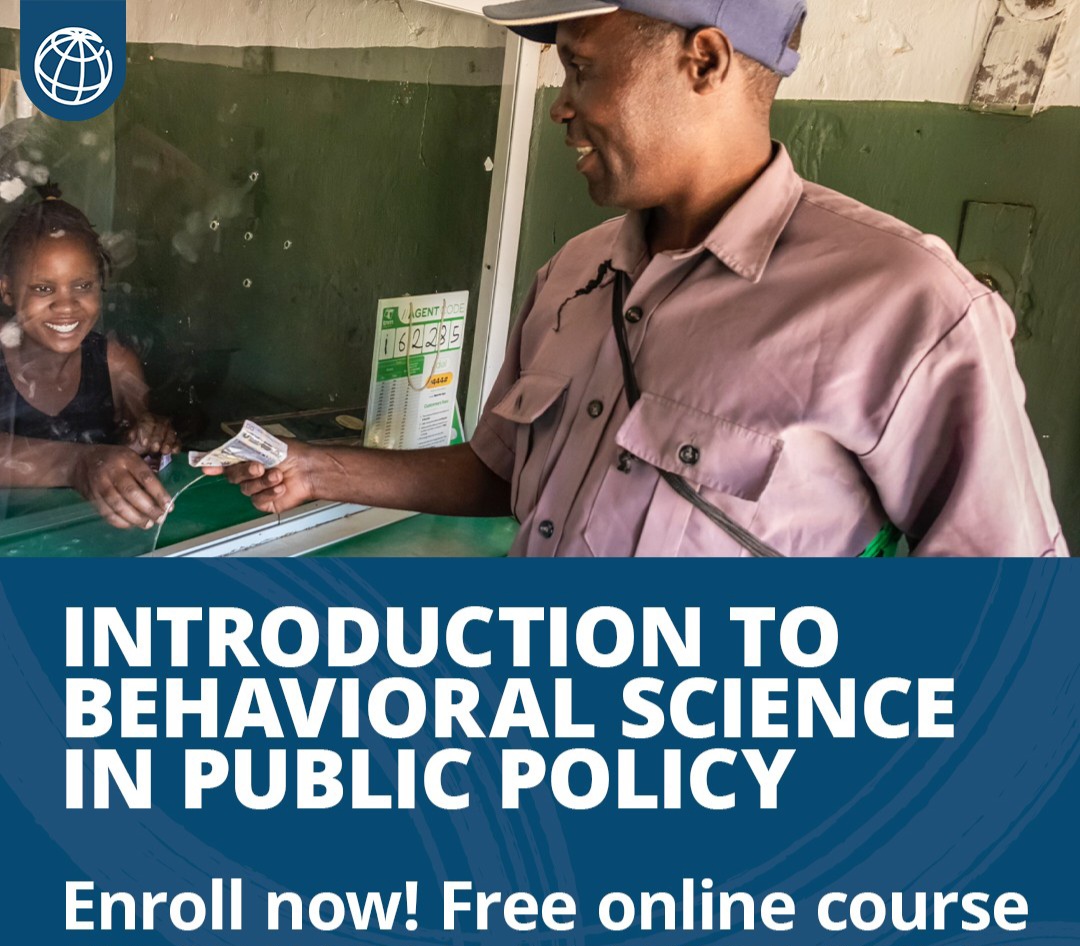
    The World Bank has announced a free online course titled “Introduction to Behavioral Science in Public Policy,” aimed at strengthening the capacity of policymakers, development practitioners, and students to design more effective public policies.

    The course introduces participants to how behavioral science can be applied to public policy to improve decision-making and outcomes across key sectors such as education, healthcare, and social development. It focuses on practical tools and real-world examples that show how understanding human behavior can lead to more efficient and inclusive policies.

    Enrollment for the course is currently open and accessible online at no cost. Interested participants can learn more and register via:
    http://wbginstitute.org/online-learning


    The learning opportunity was shared by the Professor Isa Pantami Foundation (PIP Foundation) as part of its ongoing commitment to promoting education, empowerment, and community development across Africa. The foundation noted that access to global learning platforms such as this aligns with its goal of building capacity and expanding knowledge opportunities for Africans.

    The course is delivered through the World Bank Group’s learning platform, further reinforcing the institution’s role in supporting skills development and evidence-based policymaking worldwide.

  • Gombe Undergoes World Bank Public Finance Review

    Gombe Undergoes World Bank Public Finance Review

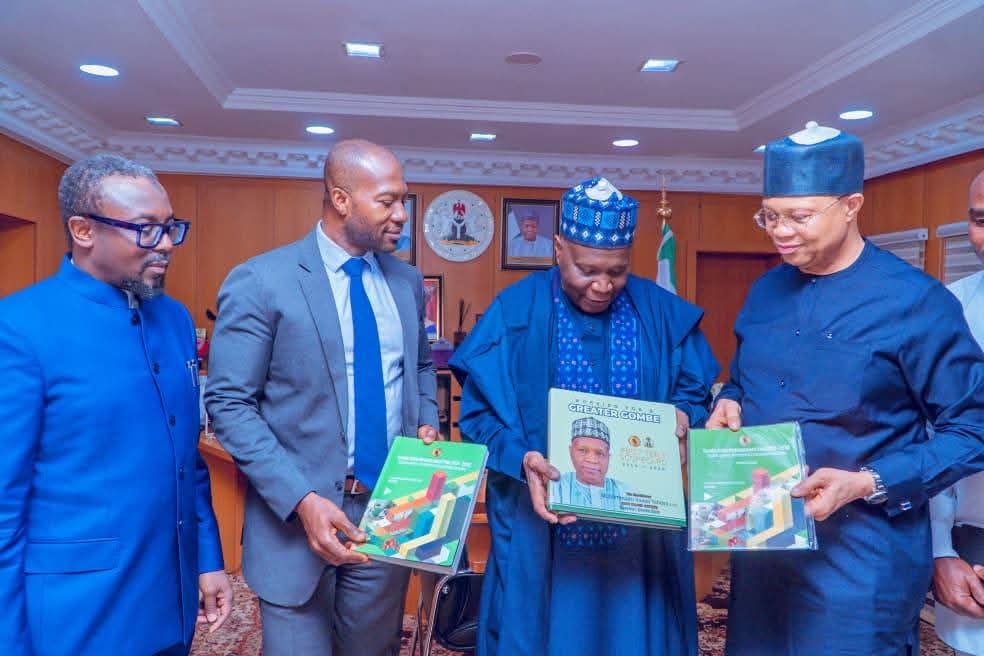
    The World Bank has commenced a comprehensive Public Financial Management Review (PFMR) in Gombe State under the global Public Expenditure and Financial Accountability (PEFA) Subnational Framework.

    Gombe is the only state selected from Northern Nigeria for the assessment, while Cross River and Ekiti were chosen from the South.

    The PFMR will evaluate the state’s financial management systems using 8 PEFA pillars, 32 indicators and 98 dimensions, with the aim of strengthening transparency, accountability and fiscal efficiency.

    A team of World Bank consultants led by former Director-General of the Budget Office of the Federation, Mr. Ben Akabueze, met with Governor Muhammadu Inuwa Yahaya, CON, earlier in the week.

    Mr. Akabueze said the review will support ongoing reforms and help the state build stronger institutional frameworks for budget preparation, execution and financial oversight.

    Governor Yahaya appreciated the World Bank’s technical collaboration and reaffirmed his administration’s commitment to transparency and prudent financial management. He directed the Commissioner of Finance and relevant MDAs to provide full cooperation and documentation to ensure a smooth review.

    The World Bank team will meet ministries, departments, agencies and other stakeholders throughout the exercise.

  • Zulum Seeks Enhanced Collaboration with World Bank to aid Post-Conflict Recovery

    Zulum Seeks Enhanced Collaboration with World Bank to aid Post-Conflict Recovery

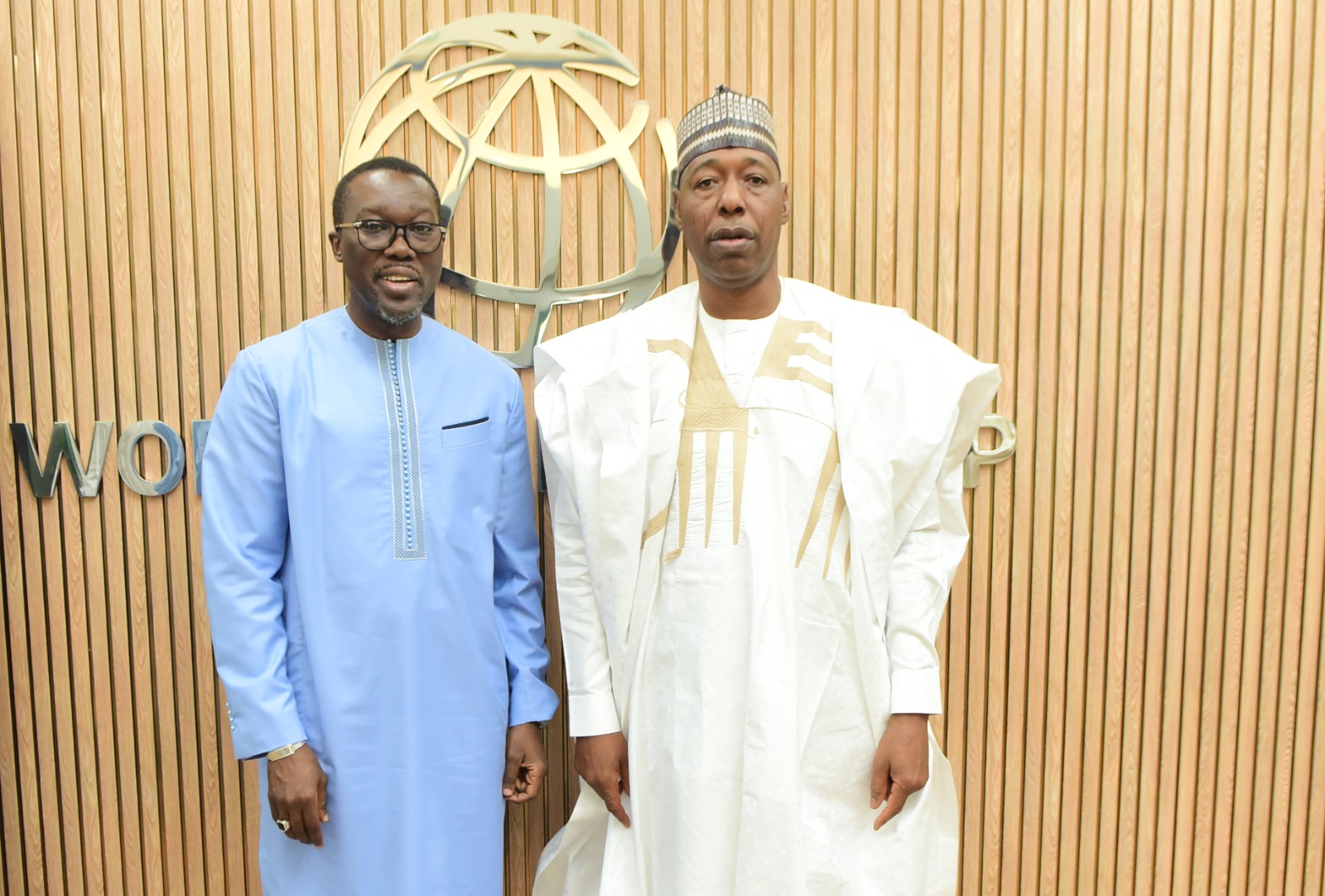
    Borno state Governor, Babagana Umara Zulum has called for expanded collaboration with the World Bank to accelerate the state’s post-conflict recovery efforts.

    Governor Zulum made this call during a meeting with the newly appointed Country Director of the World Bank, Dr. Ndiame Diop, on Friday in Abuja.

    Governor Zulum emphasized the importance of the World Bank’s ongoing assistance in critical areas, including education, agriculture, health, and livestock development.

    “I want to welcome you to Nigeria and wish you success in your new assignment,” he said to Dr. Diop. “Borno State has a strong collaborative relationship with the World Bank. My administration is investing heavily in healthcare, education, and agriculture—sectors that are pivotal to our recovery strategy.”

    The Governor highlighted the significant impact of the World Bank’s Multi-Sectoral Crisis Recovery Project (MCRP) in Borno, which has enabled the execution of numerous life-saving and transformative projects across the state.

    In response, Dr. Ndiame Diop pledged the World Bank’s ongoing partnership with Borno State in the areas of education, healthcare, agriculture, and livestock.

    He commended Borno’s performance in implementing MCRP projects, noting that the state is the best state in project execution within Nigeria.

    Dr. Diop expressed his commitment to further strengthening this partnership by personally visiting the state.

    “Borno is leading in the implementation of MCRP projects across Nigeria,” Dr. Diop stated. “The World Bank will support efforts to reduce the malaria burden and strengthen the livestock sector. Notably, Borno State contributes 50 percent of the livestock in the North East, with the sector generating approximately 3 trillion naira nationwide, 40 percent of which comes from the North East region.”

    Dr. Diop further noted that as peace returns to Borno, the World Bank aims to support additional development initiatives to bolster the state’s economy and improve livelihoods for its citizens.

    Governor Zulum was accompanied on the visit by the Commissioner of Health, Professor Baba Malam Gana and his environment counterpart Engr. Mohammed Emet Kois, Chief Medical Director Hospitals Management Board Professor Abubakar Kullima, Executive Director Primary Healthcare Development Board, Professor Mohammed Arab Alhaji, Director General State Livestock Development Agency and Permanent Secretary Ministry of Education.

    Dauda Iliya
    Special Adviser to Borno State Governor
    (Media/Spokesperson)

  • World Bank Lauds Gombe State as Model for Development Success

    World Bank Lauds Gombe State as Model for Development Success

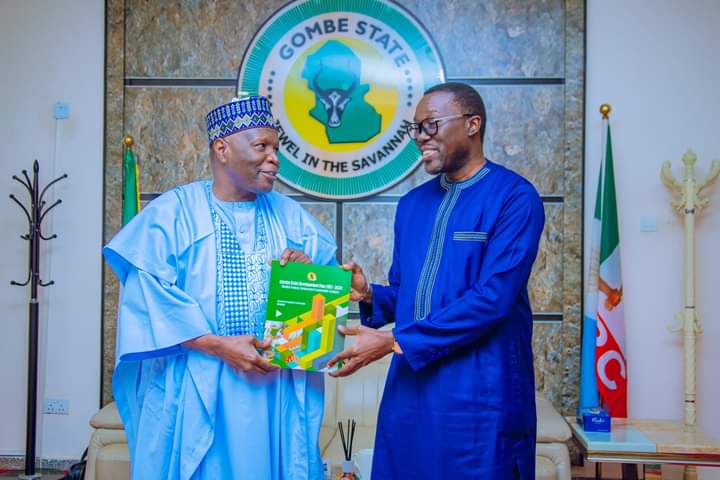
    Gombe State has been praised by the World Bank for its exemplary implementation of development projects, setting a high standard for other states in Nigeria.

    According to Dr. Ndiame Diop, World Bank Country Director for Nigeria, “Gombe State’s commitment to executing World Bank-supported projects across critical sectors such as education, healthcare, infrastructure, environment, agriculture, and water resources has not only accelerated development but has also demonstrated a clear example of effective governance and accountability in the utilization of funds.”

    Notable projects include the Nigeria COVID-19 Action Recovery and Economic Stimulus (NG-CARES) program, the Rural Access and Mobility Project (RAMP), the SPTAS, and the Sustainable Urban and Rural Water Supply, Sanitation and Hygiene (SURWASH), which have improved infrastructure, access to clean water, and economic opportunities.

    Dr. Diop emphasized Gombe’s partnership with the World Bank as a model for addressing local challenges while fostering sustainable growth.

    While acknowledging areas for improvement, Dr. Diop assured continued World Bank support for Gombe State’s efforts.

    Governor Muhammadu Inuwa Yahaya expressed commitment to re-strategize and maintain the state’s developmental trajectory, highlighting the importance of strategic partnerships with international organizations.

  • World Bank Hails Adamawa’s Progress in Livestock, Development

    World Bank Hails Adamawa’s Progress in Livestock, Development

    The Adamawa state government has received commendation from the World Bank for its improvements in livestock and other areas. Deputy Governor Professor Kaletapwa George Farauta assured development partners of the government’s continuous support and provision of an enabling environment for meaningful achievements in the state.

    The commendation came during a courtesy visit by representatives of the World Bank, national and state officials of the Livestock Productivity and Resilience Project (L-PRES) to the Deputy Governor’s office. The visit aimed to assess the project’s performance, challenges, and way forward.

    Professor Kaletapwa Farauta commended L-PRES for its inventions, particularly in Adamawa state, and stressed the importance of livestock to the economy and nation.

    The World Bank representative, Manievel Sene, National Project Coordinator L-PRES Sanusi Abubakar, and State Commissioner for Livestock Tijani Maksha praised the recent developments in the livestock industry, acknowledging the state’s progress towards success.

    The team appreciated Governor Ahmadu Umaru Fintiri’s commitment and support for the project and the state government’s strides in various development fields, including agriculture, healthcare, education, infrastructure, urban renewal, and security.

    The L-PRES project aims to enhance livestock productivity, resilience, and commercialization, strengthening the country’s capacity to respond to crises and fortifying smallholder marketing systems.

  • Borno, Adamawa, Others, On The Brink Of Severe Food Crisis – W’bank

    Borno, Adamawa, Others, On The Brink Of Severe Food Crisis – W’bank

    The World Bank has said seven states across the North-west and North-east regions of the country may suffer food crises due to high levels of insecurity and armed conflicts that has reduced the standards of living across the region.

    The bank in its latest Food Security report also stated that most areas in West and Central Africa would remain Minimally food insecure until May 2024.

    This is coming amidst plans by the government to cultivate 323,000 hectares of farmland producing wheat, rice, maize and cassava for the 2024 dry season farming.

    The states highlighted by the bank are Borno, Adamawa, Kaduna, Katsina, Yobe, Sokoto, and Zamfara states.

    It stated, “It is projected that most areas in West and Central Africa will remain minimally food insecure until May 2024, with some being categorised as Stressed IPC 2. Nigeria (far north of Adamawa, Borno, Kaduna, Katsina, Sokoto, Yobe, Zamfara states) will be at crisis food security levels, mostly because of persistent insecurity and armed conflict and deteriorating livelihoods.”

    Food inflation has been a reoccurring issue faced by several governments across the globe and inflamed by the ongoing war between Russia and Ukraine.

    In Nigeria, the price of food products has increased in geometric progression.

    The report further highlights the precarious situation many states in Nigeria find themselves in as food prices scale the roofs. The latest CPI report from the National Bureau of Statistics puts food inflation at over 33 per cent.

    In October, the Food and Agricultural Organisation warned that around 5 million Nigerians are at risk of hunger in 2024.

    The report further added that other countries in the West African region such as Burkina Faso, Chad, and Niger will experience varying degrees of food insecurity.

    It stated that areas in Northeastern states such Abadam, Bama, Guzamala, Marte etc would experience emergency food security levels as a result of limited household food stock and access to market and humanitarian aid.

    The report also noted that over 63.2 per cent of low-income countries experienced inflation levels surpassing 5 per cent, marking a 1.3 per cent point increase compared to the previous food update on January 17, 2023.

    In lower-middle-income countries, 73.9 per cent saw inflation levels exceeding 5 per cent, while 48 per cent of upper-middle-income countries maintained similar percentages as the last update, with no changes recorded.

    The World Bank noted that in high-income countries, over 44.4 per cent reported food inflation levels surpassing 5 per cent, marking a 1.9 per cent decrease compared to the previous food update.

    Additionally, the report revealed that in real terms, food price inflation outpaced overall inflation in 71 per cent of the 165 countries where data was available.

    The United Nations reported in its Africa Regional Overview of Food Security and Nutrition that since the onset of the 2020 COVID-19 pandemic, approximately 78 per cent of Africans have been unable to afford a nutritious diet.

  • Yobe: Buni Charge World Bank To Speedy Up Support Programmes

    Yobe: Buni Charge World Bank To Speedy Up Support Programmes

    Mai Mala Buni, Governor of Yobe state

    Yobe state Governor, Hon. Mai Mala Buni has urged the World Bank to minimise administrative bottlenecks in its support to the recovery programmes of the state in resettling communities devastated by the insurgency

    In a statement signed by the Director General, Press and Media Affairs, Mamman Mohammed, Buni made the appeal on Friday when he received the World Bank delegation, who paid him a working visit, saying the administrative bottlenecks had slowed down some projects and programmes.

    “The longer it takes to channel the support the more it is badly affected by inflation because, if you plan to execute a particular project or programme and you cost it on an existing rate, if it is not done in time, it will certainly be affected by inflation on prices of raw materials for the project” he said.

    Governor Buni called on the World Bank for partnership on irrigation under the Multi Sectoral Crisis Response Programme.

    “Agriculture remains the mainstay of our people, and it provides them with sustainable means of livelihood, food supply, and security.

    “We are encouraging irrigation agriculture because of the unpredictable nature of rain fed agriculture owing to the climate change. We always have flooding, drought, or desert encroachment hence the need to encourage irrigation.

    “We shall appreciate a great deal of partnership with you to boost irrigation farming taking advantage of our land bank, improved security where our people now have access to their farms, unhindered. The government is committed to making irrigation farming attractive, and profitable in Yobe State, ” Buni added.

    Leader of the delegation, Mrs Madhu Raghunath, commended Governor Buni for providing the required leadership in making the recovery process very efficient and effective.

    “We would like to share the Yobe State experience with some states to hasten the resettlement, recovery, and resettlement of their displaced communities.

    “We have always enjoyed working with you and will continue to partner you to effectively improve the resettlement of the displaced communities.

    She said the World Bank was focusing on a world free of poverty in a liveable planet.